Category: City & County Government

  • State auditor: Lancaster County Treasurer reported more than $2 billion in 2025 collections; the real figure was about $1.08 billion

    State auditor: Lancaster County Treasurer reported more than $2 billion in 2025 collections; the real figure was about $1.08 billion

    By Oversight Justice Staff | Nov. 24, 2026

    Disclosure: Oversight Justice is owned by David Mitchell, who founded the site and also co-owns Gamers Hub LLC, which operates as Gamers. Mitchell sued Douglas County, the City of Omaha, Douglas County Attorney Don Kleine and others in federal court (Mitchell v. County of Douglas, No. 8:23-cv-00332, D. Neb.). The court dismissed the suit on April 12, 2024, on several grounds, including immunity and failure to state a claim; the 8th U.S. Circuit Court of Appeals affirmed on Feb. 5, 2025. He has no connection to the matters described here. This article is general information, not legal advice. See our About page.
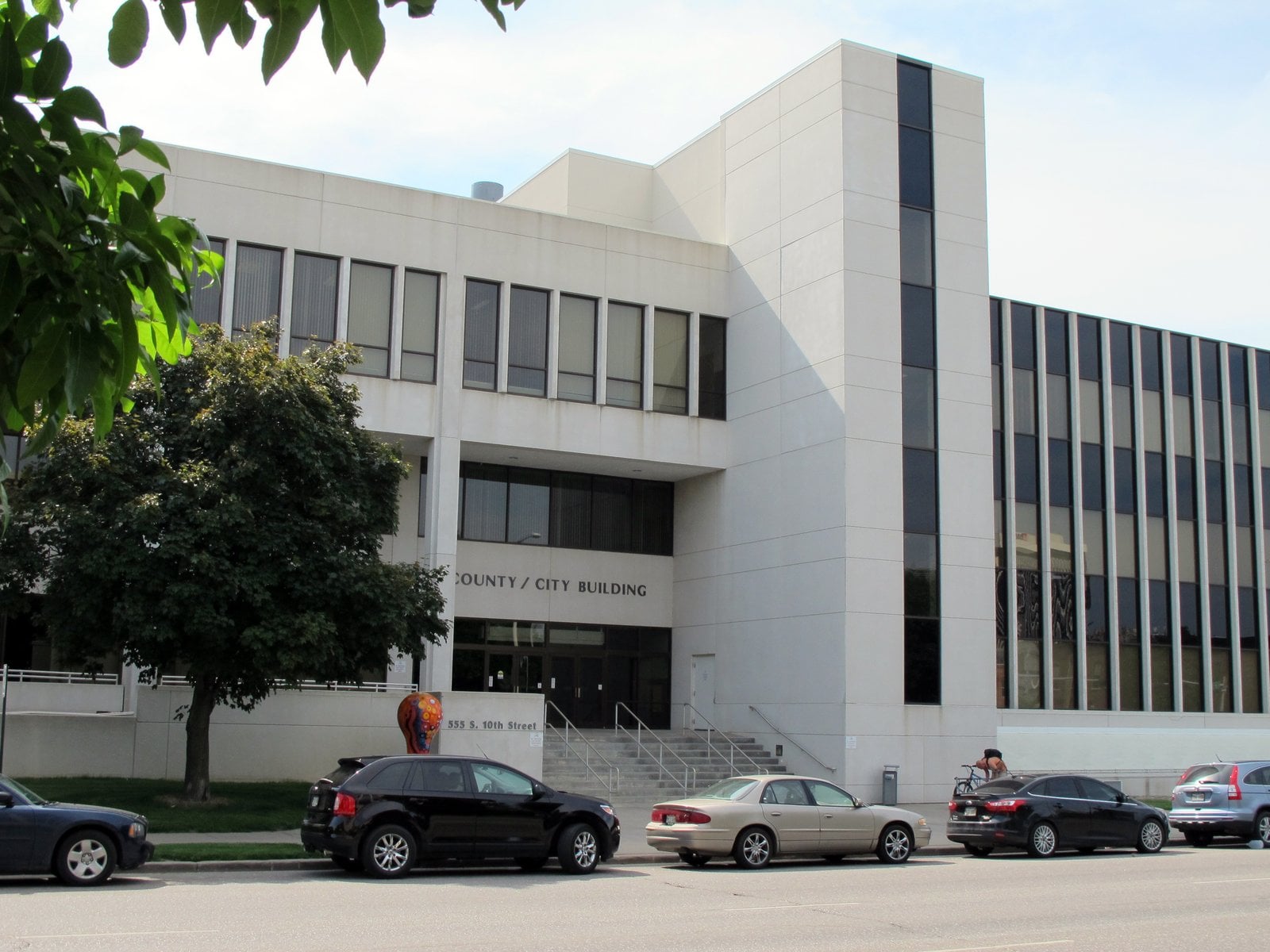
    The County-City Building at 555 S. 10th St. in Lincoln, Nebraska, which houses the Lancaster County Treasurer's and County Clerk's offices
    Photo: Lincoln’s County-City Building, 555 S. 10th St., where the Lancaster County Treasurer (Room 102) and County Clerk (Room 108) have their offices, according to the audit report (photographed 2015). Photo by Hanyou23 / Wikimedia Commons, licensed CC BY-SA 4.0. Source: Wikimedia Commons

    The Lancaster County Treasurer’s published financial statements for 2025 reported that the office collected more than $2 billion. The correct figure was about $1.08 billion, according to a report by the Nebraska Auditor of Public Accounts.

    The report, released Sept. 15, 2026, lists 14 findings about the offices of County Treasurer Rachel Garver and County Clerk Matt Hansen. They include misstatements totaling $961,233,232 on the treasurer’s two published semi-annual statements for 2025, a $1,272,295 shortfall in property tax credit money that the auditor’s office says should have gone back to the state from 2023 through 2025, and hundreds of thousands of dollars sent to the wrong local governments or county funds.

    The report also found that County Clerk employees were paid for 501 hours in 2025 that were added directly in the payroll system and were not recorded on the county’s time clock, and that three supervisors in the clerk’s office reduced the vacation leave they recorded by saying they had worked while on vacation.

    Garver responded in the report: “I take full responsibility for all actions and oversights within my office.” Hansen’s office said it “agrees with and accepts the recommendations” on each finding directed to it.

    A $2 billion statement for a $1 billion office

    Nebraska law requires each county treasurer, every January and July, to publish “a tabulated statement of the affairs of the county treasurer’s office” in a legal newspaper, showing money received and paid out by fund category for the prior six months (Neb. Rev. Stat. § 23-1605).

    The auditor’s office found that the treasurer’s statements for the six months ending June 30, 2025, and Dec. 31, 2025, contained misstatements totaling $961,233,232. The report calls this finding “material noncompliance and a material weakness.” According to the report:

    • $941,694,775 was duplicate activity in “holding funds,” where money waiting to be sent to its final fund was recorded as an expenditure from the holding fund and again as revenue in the receiving fund. “Because the County received this money only once, the County’s accounting records duplicate this activity,” the report says. The largest piece, $590,908,775, was in the Tax Escrow Holding Fund.
    • $5,798,548 came from recording the treasurer’s commissions as expenditures instead of reducing revenue.
    • $5,017,664 came from the same kind of treatment of fines and license fees distributed to school funds.
    • $8,722,246 in state money, including unused property tax credit money being sent back to the state and the state’s share of documentary stamp taxes, was reported as county money.

    The treasurer’s own statement for 2025, reproduced in the report as Exhibit B, showed collections of $2,036,015,211 and disbursements of $2,020,760,486. The auditor’s corrected schedule shows collections of $1,083,504,225 and disbursements of $1,068,249,500. The opening and closing balances, $196,594,935 and $211,849,660, are the same in both versions.

    That means the misstatements inflated the amounts reported as moving through the office. The report does not say that the difference was missing money. “Conjuring almost $1 billion out of thin air is hardly a rounding error,” State Auditor Mike Foley said in a news release.

    Garver’s response to this finding: “The Treasurer will work with Budget and Fiscal to make appropriate changes and procedures for the County.”

    $1.27 million that should have gone to the state

    Each year the treasurer receives state property tax credit money to pass along to local governments. The treasurer keeps a 1% fee and must return any unused credit to the state, where it goes into the Property Tax Credit Cash Fund (Neb. Rev. Stat. § 77-4212).

    The auditor’s office said the treasurer kept the 1% fee but did not reduce the amounts paid out to local governments to account for it. Every political subdivision was overpaid, and the overpayments came out of the unused credit that should have gone back to the state. In 2025, the treasurer received $51,596,629, kept $515,966 as commission and returned $685,375. The state was underpaid by $503,953 that year, the report says.

    A limited review of earlier years found similar shortfalls of $335,405 in 2023 and $432,937 in 2024, for a three-year total of $1,272,295. “Although the APA reviewed only 2023 to 2025, the Department may wish to consider reviewing further previous years for additional underpayments, as similar procedures have been used by the County Treasurer for many years,” the report says. The auditor’s office said it was forwarding the information to the state Property Tax Administrator.

    Garver’s response: “This has been corrected and checks have been delivered to the State. Procedures are being updated and implemented.” The auditor’s office said responses describing corrective action “were not verified at this time, but they will be verified in the next examination.”

    Other money sent to the wrong place

    • Lincoln Airport Authority commission. State law sets the treasurer’s general collection fee at “two percent of the sums so collected” (Neb. Rev. Stat. § 33-114). The auditor’s office found the treasurer withheld 1% on taxes collected for the Lincoln Airport Authority, so the authority was overpaid and the county underpaid by $214,539 from 2021, when the authority began levying property taxes, through 2025, including $97,327 in 2025 alone. “This really isn’t rocket science,” Foley said in the news release. Garver’s response: “The software has been updated. Procedures will be updated and implemented.”
    • Duplicate rental-tax payments. From 2022 through 2025, the treasurer made a manual journal entry distributing motor vehicle rental taxes that the state’s VicToRy system was already distributing, so the money was paid twice. The overpayments totaled $674,956: $148,490 to the county, $121,493 to the City of Lincoln and $404,973 to Lincoln Public Schools. The 2025 duplicate was corrected in July 2025, but the $460,751 for 2022 through 2024 was not corrected until March 2026, “eight months after the error was discovered and partially corrected,” the report says.
    • Road fund. Since a 2019 law took effect on Jan. 1, 2020, part of the treasurer’s fee for collecting motor vehicle sales tax must go to the county road fund (Neb. Rev. Stat. § 77-2703(1)(i)). The auditor’s office found that $613,076 that should have gone to the road fund from 2020 through 2025 went into the county’s General Fund instead. Garver’s response: “Corrections have been made.”
    • Motor vehicle and homestead distributions. Errors in Motor Vehicle Pro-Rate distributions shorted school districts by $94,734, with other subdivisions overpaid by the same amount. Errors in homestead exemption distributions misallocated $75,220, and $8,071 in payments in lieu of taxes for two municipalities was distributed improperly, according to the report.
    • Bank deposits and controls. As of Dec. 31, 2025, $901,464 in county deposits at four financial institutions was not fully collateralized. For part of that money, the report says, the auditor’s office was told that Pinnacle Bank used the wrong tax identification number when it set up a CDARS account. The report also found $2,336,894 in investment interest recorded late, plus an unknown $7,111 in county bank accounts that was not in the accounting system. The motor vehicle division uses stamps bearing the treasurer’s signature on refund checks, and the report says that when asked, “the County Treasurer was unaware of the number of stamps in existence or which employees possessed and utilized the stamps.”

    Timekeeping and telework in the County Clerk’s office

    The auditor’s office found 128 instances in 2025 in which County Clerk employees’ hours were increased directly in the county payroll system, “resulting in payment to these employees for 501 hours that were not recorded on the County’s time clock program.” Many appeared to be from employees “routinely failing to clock in or out,” the report says.

    The clerk was able to show “generally that minor work tasks were performed, such as sending emails and instant messages periodically throughout the day,” but “significant time and effort were required” to produce that documentation, according to the report.

    Other findings in the clerk’s office:

    • Eight of the 11 clerk’s office employees allowed to work remotely did not have formal, signed telework agreements covering all of 2025. Four employees the auditor’s office tested each worked remotely at times when no signed agreement was in effect.
    • Three supervisors recorded less vacation leave than the time they were away by saying they had done minor work, such as answering emails, while on vacation. One reduced vacation leave by four hours for working while traveling on a train. The same supervisor recorded no vacation leave for a day spent driving home from a family vacation in Colorado. The county telework policy says, “Telework shall not be used as a substitute for the employee’s use of leave.”
    • Salaried employees in the clerk’s office could receive untracked “flex leave” in place of overtime. The auditor’s office said the clerk appeared to have granted it in line with county policy, but that “the policy itself seems ripe for abuse.” The report also found $283 in clerk’s office travel expenses that appeared unreasonable. The clerk and the employee repaid them after the auditor’s office raised them.

    The clerk’s office said it put new time clock software in place in April 2026 and updated its policies in July 2026 so telework agreements are re-signed during employees’ annual reviews.

    Auditor criticizes county officials’ reaction

    Two days after the report came out, Foley wrote to Lancaster County Board Chairperson Christa Yoakum on Sept. 17, 2026. He said the reaction of county officials, including Yoakum in a KETV interview, “seemed quite dismissive of the severity of what has now been disclosed.”

    “The County Treasurer overstated financial activity by nearly $1 billion – an error of extraordinary magnitude that flows through almost the entirety of the financial statement,” Foley wrote. He said that when the finding was discussed with county officials, “there was absolutely no disagreement that the numbers are indeed wrong,” and that his office would return for a follow-up examination to verify that the corrective actions were “fully implemented.”

    Foley’s news release said Garver “was completely cooperative during the audit process, accepted full responsibility for the findings, and pledged immediate action to address the problems.”

    What the report does not say

    • No theft finding. The report does not say any money was stolen and does not accuse anyone of a crime. It says the auditor’s office uses words like “possible” to avoid “the possibility that a report comment might be mistaken as imputing criminality.”
    • The $961 million is a reporting error. It reflects duplicated and misclassified entries in published statements, not money lost.
    • Clerk’s office employees are not named. The report identifies them only by number.
    • Corrective steps not verified. The auditor’s office did not verify the corrections the offices described and said it will check them in its next examination.
    • Sources and limits. This article is based on the auditor’s report, news release and Sept. 17 letter, and on the state statutes cited. Oversight Justice has not asked the county, the treasurer, the clerk or the auditor’s office for comment, and this article does not track actions taken since the report and letter were released.

    Sources

    1. Nebraska Auditor of Public Accounts, Lancaster County Treasurer & Lancaster County Clerk attestation report, Jan. 1, 2025, through Dec. 31, 2025 (released Sept. 15, 2026): https://auditors.nebraska.gov/APA_Reports/2026/CO55-09152026-January_1_2025_through_December_31_2025_Lancaster_County_Treasurer_and_Lancaster_County_Clerk_Attestation_Report.pdf
    2. Nebraska Auditor of Public Accounts, news release, “State Auditor Mike Foley Identifies Nearly $1 Billion in Errors by Lancaster County Treasurer” (Sept. 15, 2026): https://auditors.nebraska.gov/APA_Reports/2026/CO55-09152026-Lancaster_County_Treasurer_and_Lancaster_County_Clerk_Press_Release.pdf
    3. Nebraska Auditor of Public Accounts, follow-up letter to Lancaster County officials (Sept. 17, 2026): https://auditors.nebraska.gov/APA_Reports/2026/CO55-09172026-September_17_2026_Follow_Up_Letter_to_Lancaster_County_Officials.pdf
    4. Neb. Rev. Stat. § 23-1605 (treasurer’s semiannual statement): https://nebraskalegislature.gov/laws/statutes.php?statute=23-1605
    5. Neb. Rev. Stat. § 77-4212 (property tax credit; return of unused credit): https://nebraskalegislature.gov/laws/statutes.php?statute=77-4212
    6. Neb. Rev. Stat. § 33-114 (county treasurer collection fees): https://nebraskalegislature.gov/laws/statutes.php?statute=33-114
    7. Neb. Rev. Stat. § 77-2703 (motor vehicle sales tax collection fee; county road fund): https://nebraskalegislature.gov/laws/statutes.php?statute=77-2703
    8. Related on this site: State auditor letter on Douglas County general assistance gift cards; Public Records & FOIA Resource Hub
  • State auditor: Douglas County general assistance gift cards bought cigarettes and beer, and no record shows which client got which card

    State auditor: Douglas County general assistance gift cards bought cigarettes and beer, and no record shows which client got which card

    By Oversight Justice Staff | Nov. 23, 2026

    Disclosure: Oversight Justice is owned by David Mitchell, who founded the site and also co-owns Gamers Hub LLC, which operates as Gamers. Mitchell sued Douglas County, the City of Omaha, Douglas County Attorney Don Kleine and others in federal court (Mitchell v. County of Douglas, No. 8:23-cv-00332, D. Neb.). The court dismissed the suit on April 12, 2024, on several grounds, including immunity and failure to state a claim; the 8th U.S. Circuit Court of Appeals affirmed on Feb. 5, 2025. He has no connection to the matters described here. This article is general information, not legal advice. See our About page.

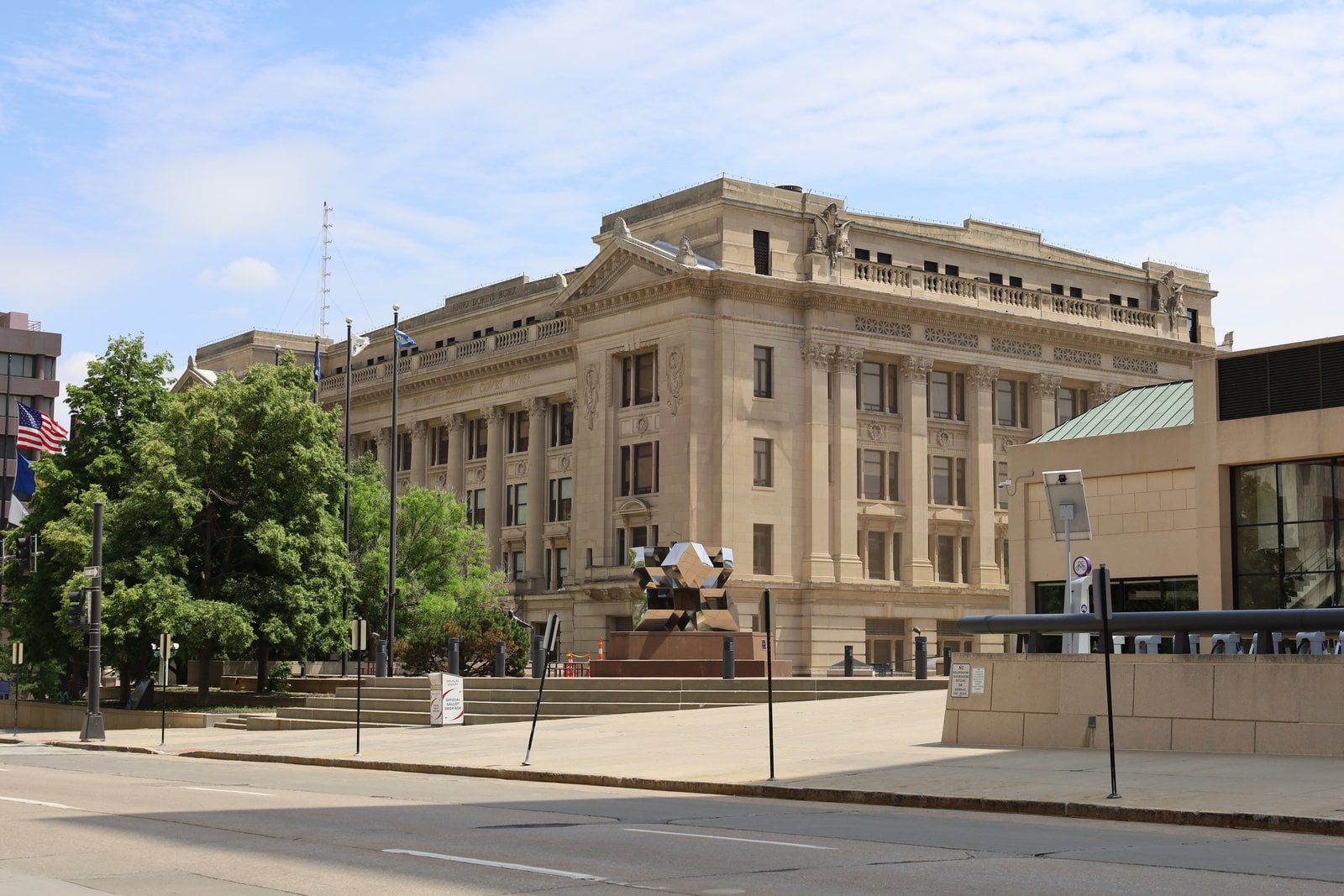
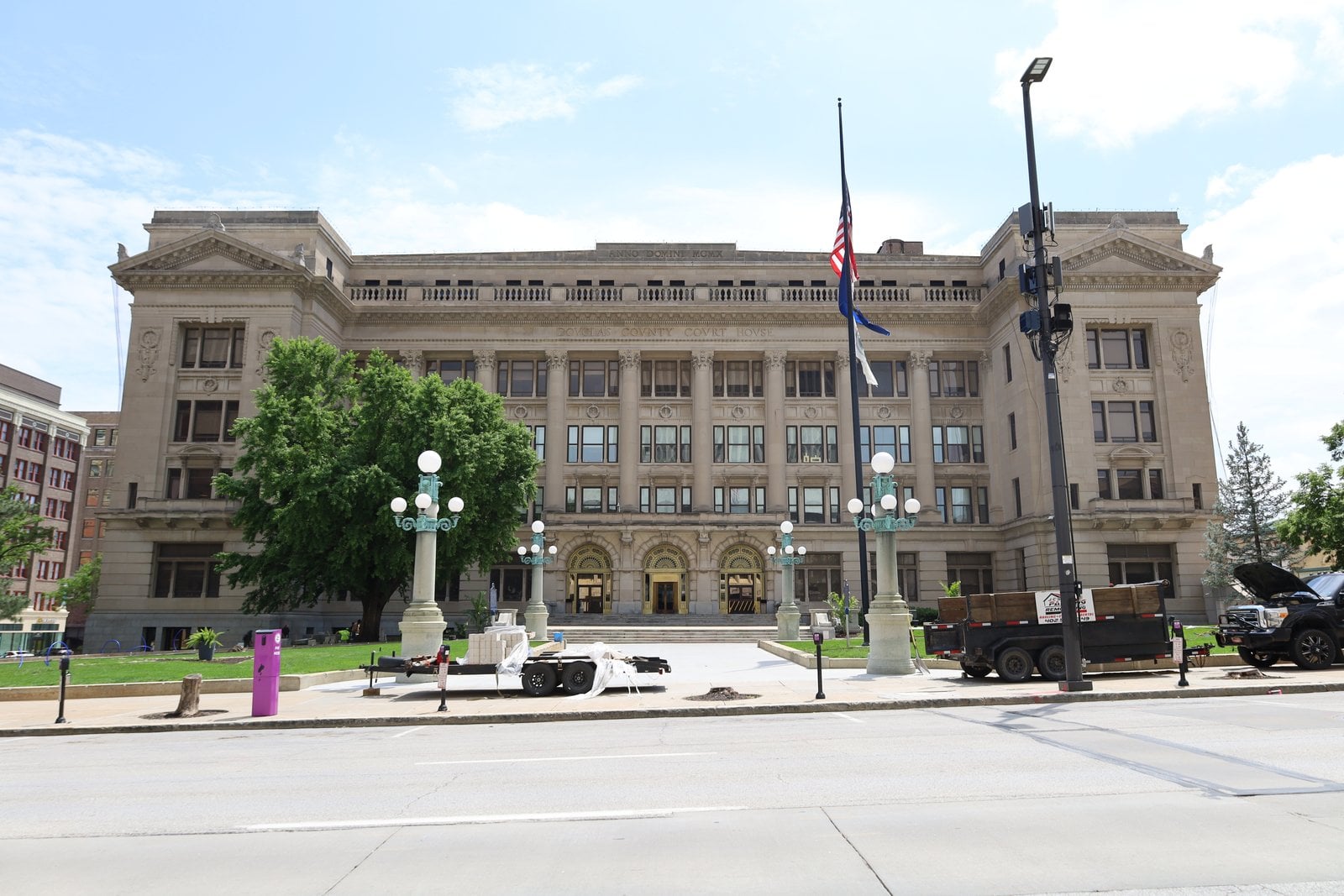
    The Douglas County Courthouse in downtown Omaha, Nebraska, with an American flag in front, in 2025
    Photo: Douglas County Courthouse in Omaha, Nebraska (2025). The Douglas County Department of General Assistance discussed in this article is not specifically pictured. Photo by Antony-22 / Wikimedia Commons, licensed CC BY-SA 4.0. Source: Wikimedia Commons

    Douglas County bought 25,927 Dollar General gift cards worth $759,425 from 2023 through 2025 to give poor residents vouchers for hygiene, cleaning and clothing items, but it did not track which card went to which client and had no procedures to check what the cards bought, according to a letter from the Nebraska Auditor of Public Accounts.

    When the auditor’s office pulled Dollar General’s transaction records for a random sample of 100 cards, it found cards used for cigarettes, beer, food, toys, candy and pet products, and others redeemed through an online payment platform. The office questioned 70.26% of the value it tested.

    The Sept. 22, 2026, letter, addressed to Douglas County Board of Commissioners Chairperson Roger Garcia and signed by Deputy Auditor Craig Kubicek, also says that in 16 general assistance cases the office picked as higher-risk, about 70% of the benefits tested were “questionable due to incomplete or inaccurate eligibility determinations.” The county’s Department of General Assistance, in a written response attached to the letter, said it “does not minimize the eligibility determination issues identified and accepts responsibility for the deficiencies noted,” while disputing parts of the findings.

    The program

    Nebraska law makes each county board “the overseer of the poor” and requires general assistance “adequate to insure maintenance of minimum health and decency.” Each county must adopt written standards of eligibility and assistance. In Douglas County, the program is run by the Department of General Assistance under guidelines adopted by the County Board.

    According to the letter:

    • The department provided $8,640,303 in shelter, cremation and bus ticket assistance from Jan. 1, 2023, through Dec. 31, 2025, most of it ($8,192,075) for shelter, such as rent and utilities. Total assistance grew 45% from 2023 to 2025.
    • On top of that, the department bought the $759,425 in Dollar General gift cards for its non-food and clothing vouchers: $25 a month for personal hygiene and cleanliness items and $80 every six months for clothing.
    • Administrative costs to run the department totaled $6,987,461 over the three years, including $5,404,177 in payroll. The department had 18 staff members as of September 2026.
    • Thirty clients received rental assistance for the entire three-year period, totaling $570,140, and another 128 received it for two or more years, totaling $2,150,841. The guidelines for 2024 and 2025 specified no maximum eligibility period for continuous assistance.

    In a news release issued with the letter, State Auditor Mike Foley said the county spent roughly $74 on administration for every $100 of assistance over the three years, and said “such a high administrative burden relative to the benefits disbursed is troubling and raises questions as to whether a more efficient system can be found.”

    What the gift card sample showed

    The letter says the department “performed no procedures to ensure that clients were using the gift cards only for allowable purchases, or previously issued gift cards had been fully used prior to issuing additional gift cards.” Because the department had no records of what clients bought, the auditor’s office asked Dollar General directly for itemized histories of 100 randomly selected cards with an original value of $2,670. The letter reports:

    • Twenty-four cards were used to buy tobacco products and alcoholic beverages, totaling $286, or 10.71% of the value tested. The guidelines expressly prohibit unauthorized items, citing “tobacco, tobacco products, and alcoholic beverages, etc.” as examples. The letter’s receipt examples include Montego menthol cigarettes, Mike’s Harder Lemonade and a 25-ounce Natty Daddy beer.
    • Fifty-eight cards were used for other items, totaling $1,031, including “food, toys, pet care products, energy drinks, and candy,” none of which appear to fit within the voucher categories, the letter says.
    • Three cards, totaling $75, were fully redeemed through the OpenBucks payment platform, which the letter says lets gift card credentials be used online for “virtual items, digital currency, and online video game modifications.”
    • Neither Dollar General nor the department could provide transaction details for $319 on 29 cards, and 23 cards had a total of $165 that was never used.

    Applying the 70.26% questioned rate to all $759,425 in cards “would result in $533,572 being potentially at risk for abuse or waste,” the letter says. That figure is a projection from the sample, not a count of improper purchases.

    No record of who got which card

    Clients must pick up cards in person and sign an acknowledgment form, and staff record the voucher in the department’s electronic case system. But the letter says the department “does not track to whom each card is provided,” so it “has no way of readily identifying, much less taking recourse against, any client who has used a gift card for improper purchases.”

    The auditor’s office sampled 16 cases in which gift cards were approved. In 14 of them, the cards were recorded as distributed, but the department could not produce any of the signed acknowledgment forms. The department’s practice was to destroy those forms after one year, the letter says, even though the records retention schedule for the department (Schedule 126) requires general assistance case files to be kept for at least five years (paper) or six years (electronic) after a case closes. As a result, the auditor’s office could not verify that cards recorded in the system went to the intended recipients.

    The County Board amended the guidelines effective Jan. 1, 2026, to cut off further vouchers to clients who use them for unauthorized purposes. The letter says that rule “appears to be unenforceable” unless the department starts tracking individual cards.

    Eligibility errors in higher-risk cases

    The department processed 5,119 unique general assistance cases from 2023 through 2025. The auditor’s office compared case data with state wage, public assistance and other records and chose 16 case files that appeared to be at higher risk of improper benefits. Of $21,155 in approved benefits tested, it counted $14,768 as overpayments, or 69.81%, treating payments as overpayments when documentation was insufficient to support a client’s income and resources or the client did not comply with program rules.

    Applied to the $8,640,303 in shelter, cremation and bus ticket assistance, that rate would put $6,031,796 “potentially at risk for abuse,” the letter says. It also cautions that this “projected amount may be high because the APA selected a judgmental sample of apparent higher risk case files,” while adding that “pervasive issues occurred in the Department’s eligibility and benefit determinations that warrant further attention.”

    Examples in the letter, which identifies clients only by case number, include:

    • A client with a 2021 Kia Forte valued at $17,300, above the guidelines’ $12,000 vehicle exclusion, who continued to receive $2,175 for three months after a 60-day period to sell the vehicle expired, with no documentation that it was sold.
    • A client approved for $8,090 over June 2023 through June 2024 who was required to appeal a denial of Supplemental Security Income and later to apply for it; the letter says there was no documentation the client did either, and $4,960 was paid after the client failed to comply. A $500 loan deposited into the same client’s account was left out of one month’s calculation, resulting in an extra $350.
    • Clients whose bank statements showed Cash App or Venmo deposits, where the department did not obtain statements for those accounts.
    • Monthly reporting forms missing for 4 of the 16 cases, with benefits still authorized for the following month, and in one case forms for three months that appear to have been copied from the same document.
    • A standing practice of not counting SNAP food benefits as income, which the auditor’s office says should count under the guidelines’ definition of unearned income, which includes money from government entitlement programs. The letter attributes $688 in overpayments to that exclusion in cases where no other error already accounted for them.

    The letter also says the guidelines do not spell out how to calculate income and resources, leading to “inconsistent practices, such as determining income from paystubs in some instances but bank statement deposits in others.”

    The county’s response

    The department’s response, attached to the letter as Attachment A, says:

    • It “acknowledges this finding and agrees that tobacco, alcohol, and other non-compliant purchases are inconsistent with the program’s intent and Guidelines.” Dollar General did not sell tobacco or alcohol when the program began, it says, and the department tried for several years, without success, to get point-of-sale restrictions from the retailer, and it looked at Walmart gift cards, which could not handle the volume needed.
    • It “was not previously aware” that gift card credentials could be redeemed through a third-party platform and will raise the issue with Dollar General.
    • It agrees that food, toys, pet care products and similar items fall outside the guidelines, but says “some purchases may nonetheless reflect genuine hardship needs among participants.”
    • It “has already discontinued the prior practice” on gift card record retention and updated its policy.
    • The 16 cases were chosen as higher-risk, and the department says the majority of its caseload “involves clients with little to no income or countable resources affecting eligibility.”
    • It partially concurs with, or disputes, several case findings, including those on unemployment benefits and monthly reporting forms. On SNAP, it says its longstanding practice of not counting the benefits was reasonable because SNAP may be used only for eligible food purchases, but it will address the issue in the next guideline revision. It says guideline revisions effective Jan. 1, 2026, require disabled clients to pursue Social Security benefits and limit able-bodied applicants to six months of assistance a year.
    • It is consulting with the County Attorney’s Office on guidance for fraud-related overpayments and restitution, including “the legal and financial considerations of civil or criminal recovery.”
    • It will give the auditor’s office and the County Board “a corrective action plan, including target implementation dates.”

    The auditor’s office noted that “[a] response that indicates corrective action has been taken was not verified at this time.” It decided a separate financial audit or attestation of the department “is unnecessary at this time because the County is audited on an annual basis.”

    What the letter does not say

    • Projections are not findings of loss. The $533,572 and $6,031,796 figures are the auditor’s projections from small samples, and the letter says the eligibility projection may be high.
    • No charges described. The letter does not say that any client or employee has been charged with a crime, and it does not name any client. The department’s consultation with the County Attorney’s Office, described in its response, concerns general guidance on fraud-related overpayments, particularly cases under $5,000.
    • Corrective steps not verified. The auditor’s office did not verify the department’s statements about changes it has made.
    • Sources and limits. This article is based on the auditor’s letter, the auditor’s news release and the state statutes cited. Oversight Justice has not asked the county, the auditor’s office or Dollar General for comment, and this article does not track any action the county has taken since the letter was released.

    Sources

    1. Nebraska Auditor of Public Accounts, letter to Douglas County Board of Commissioners Chairperson Roger Garcia regarding the Douglas County General Assistance Program (Sept. 22, 2026): https://auditors.nebraska.gov/APA_Reports/2026/CO28-09222026-September_22_2026_Douglas_County_General_Assistance_Program_Letter.pdf
    2. Nebraska Auditor of Public Accounts, news release, “Auditor Foley Calls for Reform of the Douglas County General Assistance Program” (Sept. 22, 2026): https://auditors.nebraska.gov/APA_Reports/2026/CO28-09222026-Douglas_County_General_Assistance_Program_Letter_Press_Release.pdf
    3. Nebraska Auditor of Public Accounts, reports issued for Douglas County: https://www.nebraska.gov/auditor/FileSearch/entityresults.cgi?id=Douglas+County
    4. Neb. Rev. Stat. § 68-132 (county board; overseer of the poor): https://nebraskalegislature.gov/laws/statutes.php?statute=68-132
    5. Neb. Rev. Stat. § 68-133 (county standards of eligibility and assistance): https://nebraskalegislature.gov/laws/statutes.php?statute=68-133
    6. Related on this site: State auditor letter on Douglas County Garage scrap cash; Public Records & FOIA Resource Hub
  • State auditor: $839 in Douglas County garage scrap cash doesn’t appear to have reached the county treasurer, and no cash log was kept

    State auditor: $839 in Douglas County garage scrap cash doesn’t appear to have reached the county treasurer, and no cash log was kept

    By Oversight Justice Staff | Nov. 22, 2026

    Disclosure: Oversight Justice is owned by David Mitchell, who founded the site and also co-owns Gamers Hub LLC, which operates as Gamers. Mitchell sued Douglas County, the City of Omaha, Douglas County Attorney Don Kleine and others in federal court (Mitchell v. County of Douglas, No. 8:23-cv-00332, D. Neb.). The court dismissed the suit on April 12, 2024, on several grounds, including immunity and failure to state a claim; the 8th U.S. Circuit Court of Appeals affirmed on Feb. 5, 2025. He has no connection to the matters described here. This article is general information, not legal advice. See our About page.

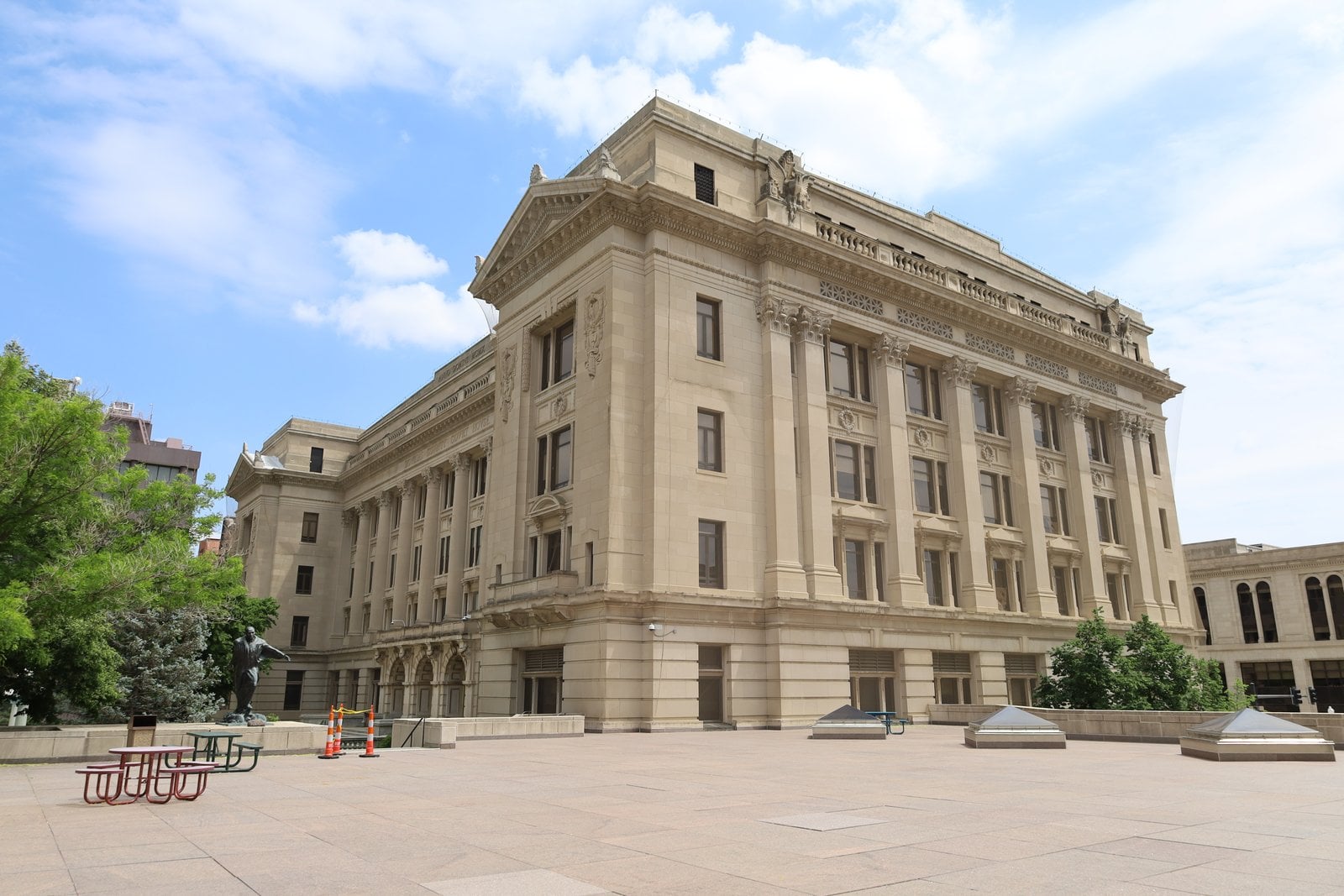
    The Douglas County Courthouse in downtown Omaha, Nebraska, on a sunny day in 2025
    Photo: Douglas County Courthouse in Omaha, Nebraska (2025). The county garage discussed in this article is at 15445 West Maple Road and is not pictured. Photo by Antony-22 / Wikimedia Commons, licensed CC BY-SA 4.0. Source: Wikimedia Commons

    Cash that recycling centers paid the Douglas County Garage for county-owned scrap metal over two years, $839.40 in all, does not appear to have reached the Douglas County Treasurer, according to a letter from the Nebraska Auditor of Public Accounts. The garage’s fleet manager told the auditor’s office that no log of the cash is kept, and without one, the letter says, the office could not verify how the money was used or how much cash the garage still had on hand.

    The Oct. 21, 2026, letter, addressed to Douglas County Board of Commissioners Chairperson Roger Garcia and signed by Deputy Auditor Craig Kubicek, also says garage employees were allowed to work on their own vehicles in the county garage, and at times on county time, under an unwritten policy. The county’s Purchasing Department, which oversees the garage, responded that it “denies that any cash funds were used by Department employees for personal expenses,” but agreed the scrap money should have gone to the treasurer and said the garage now bans personal use of its resources.

    The dollar amounts are small. The auditor’s concern, as the letter puts it, is that handling county money without remitting it or documenting it “creates an environment conducive to the potential misuse or misappropriation of County monies.”

    What the auditor was told, and what it checked

    The auditor’s office said it received concerns that garage employees did not turn over to the treasurer the proceeds from selling county scrap to two nearby recycling centers and “allegedly pocketed the funds, using them to purchase food and other personal items.” Those are allegations the office received; the letter does not find that any employee pocketed money.

    To test them, the office collected payment records from the two recyclers, Scrap Central Inc. in Omaha and Lakeside Auto Recyclers in Carter Lake, Iowa, for July 1, 2024, through June 30, 2026, and compared them with the scrap proceeds the county had remitted to the treasurer over the same period. The letter reports:

    • The garage appears to be the only county department or division that “exclusively receives cash payments” for scrap sold to the two recyclers, and the only one that failed to remit scrap proceeds to the treasurer.
    • The recyclers made six payments to the garage, totaling $839.40, between Aug. 7, 2024, and April 16, 2026. Five were cash payments from Scrap Central for cast iron, ranging from $110.00 to $182.70; the sixth, $149.00 from Lakeside for cast steel, did not specify the payment type.
    • “[N]one of that money appears to have been remitted to the County Treasurer.” Representatives of the treasurer’s office told the auditor “they have no recollection of ever receiving cash from the Garage for the sale of scrap.”
    • By contrast, the comparison table shows scrap checks paid to the county’s Highway Department and Engineers matched by deposits with the treasurer. The table also lists two July 2024 payments for Environmental Services scrap, $259.50 and $238.50, marked with a note saying the county “was unable to provide the underlying documentation to support these two amounts.”

    The garage’s explanation

    The letter says the auditor’s office contacted John Solano II, the garage’s fleet manager, on Sept. 9, 2026. According to the letter, Solano said he uses the scrap cash to pay registration costs for county-owned vehicles, one of his job duties, because paying in cash can be done in a day while a requisition and purchase order “could take three to four weeks.” He also said there would be no documentation of the cash coming in or going out “because no log is maintained by the County Garage,” and that the scrap and cash-handling process was not written down in any policy.

    The auditor’s office verified that 85 registrations for county-owned vehicles and equipment were completed between July 1, 2024, and June 30, 2026, totaling $1,291, “with all but one of them being paid for in cash.” But “[w]ithout a cash log or other form of documentation,” the letter says, “there is no way to verify that the cash proceeds from the sale of scrap were used to pay for these registration costs, nor can the current cash balance on hand at the Garage be determined.”

    The letter cites Neb. Rev. Stat. § 23-1601(1), which makes it the county treasurer’s duty “to receive all money belonging to the county, from whatsoever source derived,” and says county money received by the treasurer “shall be paid out by him or her only on warrants issued by the county board according to law.” The letter says the lack of procedures “may give rise also to serious concerns regarding possible theft or violations of the Nebraska Political Accountability and Disclosure Act.” It does not conclude that a theft or violation occurred.

    Personal vehicles in the county garage

    The auditor’s office also said it was told that garage employees work on their personal vehicles on county time, and it received several images “purporting to show County Garage employees working on personal vehicles inside of the garage.” Using those images and state motor vehicle records, the office “identified the vehicles being serviced as belonging to certain County Garage employees.” The personal work “has been occurring allegedly since at least 2024,” the letter says.

    According to the letter, the auditor’s office was told:

    • County representatives said the garage has an unwritten policy allowing employees to use personal time, such as breaks and lunches, to work on their own vehicles there, and said they were unaware of any violations of that policy.
    • Garage employees are expected to know, and are well aware, that any use of county materials, such as fluids or parts, is not allowed.
    • Employees were periodically allowed to use county time “to do quick things, such as diagnose their own vehicles or other County employees’ vehicles.” The practice was described “as a way to reward Garage employees for working hard and to help build relations.”
    • One employee shown in the images “was permitted to take an entire vacation day to work on his personal vehicle in the Garage.”
    • Employees may take tires from the recycling bin behind the garage for their personal vehicles, because the county would otherwise pay $2 per tire for recycling.

    The letter says the garage had no formal, documented policy on acceptable personal use of county equipment and resources, and it points to the state accountability law’s ban on a public employee using “personnel, resources, property, or funds under his or her official care and control other than in accordance with prescribed constitutional, statutory, and regulatory procedures” or using them “for personal financial gain” (§ 49-14,101.01(2)).

    What the auditor recommended, and the county’s response

    The auditor recommended that the county “implement procedures to ensure all funds received from the sale of County property are remitted promptly to the County Treasurer” and “consider taking appropriate action to recover or otherwise account for” scrap proceeds not yet remitted. It also recommended procedures to make sure county property and resources, including the garage and its equipment, “are not used for improper personal gain.”

    The Purchasing Department’s written responses, included in the letter, say:

    • “Effective immediately,” the garage will accept only check payments from the scrap facility, and the checks will be deposited with the treasurer.
    • “The remaining cash from the sale of scrap metal in the County Garage vehicle registration fund will be immediately deposited with the Douglas County Treasurer.”
    • “Effective immediately, the County Garage bans the personal use of County Garage resources for non-County vehicles, including County facilities, equipment, scrap tires, supplies, or any items deemed to be County property,” and will adopt written policies on scrap handling and on personal use.

    The auditor’s office noted that “[a] response that indicates corrective action has been taken was not verified at this time.”

    Why it matters

    The county garage, a division of the Purchasing Department, maintains the county’s fleet of vehicles and equipment, the letter says. State law makes it the county treasurer’s duty to receive all money belonging to the county and to pay it out only on warrants issued by the county board. The auditor’s letter describes scrap cash that, during the two-year period it examined, does not appear to have gone through the treasurer and was not recorded in any log. The state office decided a separate audit was “unnecessary at this time, as the County is audited on an annual basis.”

    What the letter does not say

    • No finding that anyone took money. The claim that employees pocketed scrap cash is an allegation the auditor received. The letter says that without a cash log there is no way to verify whether the scrap cash paid for vehicle registrations, and the county denies that any cash was used by employees for personal expenses.
    • No charges or discipline described. The letter does not say that anyone has been charged with a crime or disciplined.
    • Corrective steps not verified. The auditor’s office did not verify the county’s statements that the changes have taken effect.
    • Sources and limits. This article is based on the auditor’s letter and the state statutes it cites. Oversight Justice has not asked the county, the auditor’s office or any employee for comment and did not review the photographs beyond what appears in the letter.

    Sources

    1. Nebraska Auditor of Public Accounts, letter to Douglas County Board of Commissioners Chairperson Roger Garcia regarding the Douglas County Garage (Oct. 21, 2026): https://auditors.nebraska.gov/APA_Reports/2026/CO28-10212026-October_21_2026_Douglas_County_Garage_Letter.pdf
    2. Nebraska Auditor of Public Accounts, reports issued for Douglas County: https://www.nebraska.gov/auditor/FileSearch/entityresults.cgi?id=Douglas+County
    3. Neb. Rev. Stat. § 23-1601 (county treasurer; duty to receive county money): https://nebraskalegislature.gov/laws/statutes.php?statute=23-1601
    4. Neb. Rev. Stat. § 49-14,101.01 (Nebraska Political Accountability and Disclosure Act; use of public resources): https://nebraskalegislature.gov/laws/statutes.php?statute=49-14,101.01
    5. Related on this site: Public Records & FOIA Resource Hub
  • Douglas County’s official canvass: Danner wins County Attorney by 14,694 votes, Martinez wins sheriff by 21,832

    Douglas County’s official canvass: Danner wins County Attorney by 14,694 votes, Martinez wins sheriff by 21,832

    By Oversight Justice Staff | Nov. 20, 2026

    Disclosure: Oversight Justice is owned by David Mitchell, who founded the site and also co-owns Gamers Hub LLC, which operates as Gamers. Mitchell sued Douglas County, the City of Omaha, Douglas County Attorney Don Kleine and others in federal court (Mitchell v. County of Douglas, No. 8:23-cv-00332, D. Neb.). The court dismissed the suit on April 12, 2024, on several grounds, including immunity and failure to state a claim; the 8th U.S. Circuit Court of Appeals affirmed on Feb. 5, 2025. Kleine was a candidate in one of the races described here. See our About page.

    Douglas County Courthouse in Omaha, Nebraska, in 2025
    Photo: Douglas County Courthouse in Omaha, Nebraska (2025). Photo by Antony-22 / Wikimedia Commons, licensed CC BY-SA 4.0. Source: Wikimedia Commons

    Douglas County’s 2026 general election results are now official. The Douglas County Election Commission’s final summary report shows Democrat Makayla Danner defeating Republican incumbent Donald W. Kleine for Douglas County Attorney by 14,694 votes, and Democrat Mark Martinez defeating Republican incumbent Aaron Hanson for sheriff by 21,832 votes.

    The commission posted the report, labeled “OFFICIAL RESULTS,” with a generation time of Nov. 19, 2026, at 8:28 a.m. It counts 227,953 ballots cast in the county. That is 6,006 more ballots (about 2.7%) than the commission’s Nov. 6 unofficial report and 14,026 more than its final election-night report. The added ballots did not change the leader in either race, and both winners’ margins grew.

    The commission’s results page says: “Election results are published on our website after they are certified as official. The county canvassing board meets approximately three weeks after the election and certifies the results.”

    County Attorney

    The official totals are Danner 118,178, Kleine 103,484 and write-ins 294. Danner received about 53.2% of the votes cast in the race and Kleine about 46.6%.

    Danner’s lead was 11,929 votes in the election-night report and 13,168 in the Nov. 6 report. Between Nov. 6 and the official report, Danner gained 3,623 votes and Kleine gained 2,097.

    Sheriff

    The official totals are Martinez 120,796, Hanson 98,964 and write-ins 301. Martinez received about 54.9% of the votes cast in the race and Hanson about 45.0%.

    Martinez’s lead was 18,740 votes on election night and 20,166 on Nov. 6. Between Nov. 6 and the official report, Martinez gained 3,672 votes and Hanson gained 2,006.

    Contest Candidate or choice Election night (unofficial) Nov. 6 (unofficial) Official (Nov. 19)
    Ballots cast Countywide 213,927 221,947 227,953
    Douglas County Attorney Makayla Danner (DEM) 110,063 114,555 118,178
    Douglas County Attorney Donald W. Kleine (REP) 98,134 101,387 103,484
    Douglas County Sheriff Mark Martinez (DEM) 112,599 117,124 120,796
    Douglas County Sheriff Aaron Hanson (REP) 93,859 96,958 98,964
    $155,000,000 Public Facilities Bonds Yes 108,608 112,413 114,734
    $155,000,000 Public Facilities Bonds No 48,915 50,620 51,788
    $30,000,000 Park & Recreation Bonds Yes 118,170 122,340 124,819
    $30,000,000 Park & Recreation Bonds No 40,724 41,967 42,731

    Omaha bond questions

    Both City of Omaha bond questions passed in the official count. The “Special City Of Omaha Election $155,000,000 Public Facilities Bonds” question had 114,734 yes votes and 51,788 no votes, or about 68.9% yes. The “Special City Of Omaha Election $30,000,000 Park & Recreation Bonds” question had 124,819 yes and 42,731 no, about 74.5% yes. Our earlier report covers what the $155 million bond is for.

    Other county offices

    In the only contested Douglas County Board race on the report, Republican Tim Donahue defeated Democrat John McCann in District Six, 21,275 to 17,166, with 44 write-ins. Unopposed candidates won the other county offices on the ballot: Dakotah Smith for assessor/register of deeds (160,515 votes), Justin T. Wayne for clerk of the district court (160,360), Whitney Hansen for commissioner District Two (23,261), P.J. Morgan for commissioner District Four (27,862), Todd Pfitzer for county engineer (143,240) and Tony Vargas for treasurer (157,989).

    Statewide and legislative totals in the report count only Douglas County ballots. Statewide results are canvassed by the state board described below.

    No automatic recount in the county races

    Under Neb. Rev. Stat. § 32-1119, a losing candidate is entitled to an automatic recount when more than 500 votes were cast for an office and the candidate lost by “one percent or less of the votes received by the candidate” who received the most votes. In the County Attorney race, 1% of Danner’s total is about 1,182 votes; her margin is 14,694. In the sheriff’s race, 1% of Martinez’s total is about 1,208 votes; his margin is 21,832. In commissioner District Six, 1% of Donahue’s total is about 213 votes; his margin is 4,109.

    A losing candidate whose margin is larger may still ask for a recount at the candidate’s own expense. Under § 32-1121, the request must be filed “not later than the third day after the county canvassing board or the board of state canvassers concludes,” and the cost is “one hundred dollars per precinct voting in the contest.” All of that cost is refunded if the recount makes the candidate the winner.

    What happens next

    • Abstract to the state: Under § 32-1034, the election commissioner must deliver the county’s abstract of votes to the Secretary of State “by the third Monday after the election,” which is Nov. 23.
    • State canvass: Under § 32-1037, the board of state canvassers (the governor, secretary of state, auditor, treasurer and attorney general) meets “on the fourth Monday after each statewide primary and general election,” which is Nov. 30.
    • Certificates of election: Under § 32-1033, the election commissioner must deliver certificates of election for county, city and village offices “on or before the sixth Monday after the election,” which is Dec. 14.
    • Taking office: Article XVII, section 5 of the Nebraska Constitution says that, unless the constitution or a law provides otherwise, terms of elected officers “shall begin on the first Thursday after the first Tuesday in January next succeeding their election.” In 2027, that is Jan. 7. Our transition explainer has more.
    • Precinct detail: The commission says detailed precinct results are published “approximately two to four weeks after the results become official.”

    Oversight Justice’s earlier coverage of the count: the County Attorney race, the sheriff’s race, the Nov. 6 unofficial update and what still counted before the Nov. 19 canvass.

    Sources

  • Federal appeals court upholds dismissal of Yale Park owner’s lawsuit over Omaha’s 2018 closure of the apartment complex

    Federal appeals court upholds dismissal of Yale Park owner’s lawsuit over Omaha’s 2018 closure of the apartment complex

    By Oversight Justice Staff | Nov. 19, 2026

    Disclosure: Oversight Justice is owned by David Mitchell, who founded the site and also co-owns Gamers Hub LLC, which operates as Gamers. Mitchell sued Douglas County, the City of Omaha, Douglas County Attorney Don Kleine and others in federal court (Mitchell v. County of Douglas, No. 8:23-cv-00332, D. Neb.). The court dismissed the suit on April 12, 2024, on several grounds, including immunity and failure to state a claim; the 8th U.S. Circuit Court of Appeals affirmed on Feb. 5, 2025. He has no connection to the case described here. This article is general information, not legal advice. See our About page.

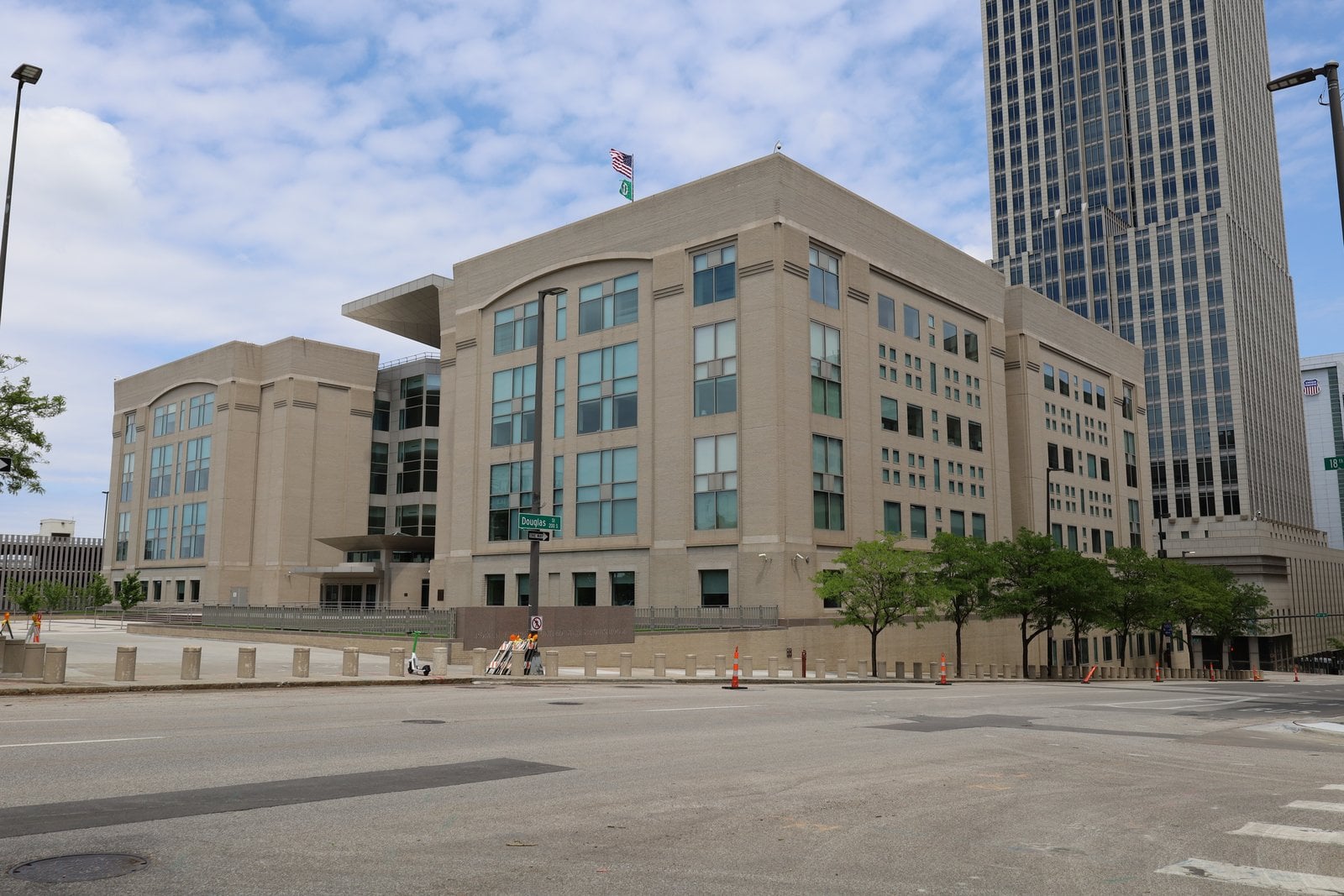
    Roman L. Hruska Federal Courthouse in Omaha, Nebraska, in 2025
    Photo: Roman L. Hruska Federal Courthouse in Omaha, Nebraska (2025), where the U.S. District Court for the District of Nebraska sits. Photo by Antony-22 / Wikimedia Commons, licensed CC BY-SA 4.0. Source: Wikimedia Commons

    A federal appeals court has upheld the dismissal of a civil rights lawsuit brought by the owner of Omaha’s Yale Park apartment complex over the City of Omaha’s 2018 inspection and closure of the property. The court ruled that the lawsuit did not plead a violation of the U.S. Constitution.

    The 8th U.S. Circuit Court of Appeals filed the published opinion, AB Realty, LLC v. Lane, No. 25-2082, on Nov. 6, 2026. Judge Kobes wrote it for a panel that included Chief Judge Colloton and Judge Gruender. The appeal came from the U.S. District Court for the District of Nebraska in Omaha. According to the opinion, the late U.S. District Judge Laurie Smith Camp granted part of the defendants’ motion to dismiss, and Chief U.S. District Judge Robert F. Rossiter Jr. later dismissed the remaining claims.

    Who sued, and over what

    The plaintiffs were AB Realty, LLC, which owns Yale Park, and Kay Anderson and Janae Anderson. They sued under 42 U.S.C. § 1983, the federal civil rights law, which makes a person acting “under color of any statute, ordinance, regulation, custom, or usage” of a state liable for depriving someone of “any rights, privileges, or immunities secured by the Constitution and laws.” The defendants were the City of Omaha, Chief Housing Inspector Scott Lane, Housing Inspector Kevin Mulcahy, Assistant Director of Human Rights Gerald Kuhn and two housing advocates. On appeal, the plaintiffs challenged the dismissal of their Fourth, Fifth and Fourteenth Amendment claims.

    The 8th Circuit said it described “the facts alleged by AB Realty and established by the exhibits attached to or referenced in the complaint.” The case was decided on a motion to dismiss, so there was no trial. According to the opinion:

    • In the summer of 2018, housing advocates talked with Yale Park tenants about their living conditions, helped tenants fill out complaint forms and sent information about violations and complaints to the city, “which began planning Yale Park’s closure.”
    • Lane applied for and received a warrant to inspect and search Yale Park, “relying mostly” on the advocates’ information. His application cited suspected health and safety violations in 84 units. In its account of the facts, the opinion says the application “contained factual errors, including a false statement that Kay denied Lane’s request to enter and inspect the building.”
    • The city executed the warrant on Sept. 20, 2018. “Police and housing inspectors searched the property and tenants were forced to relocate.”
    • The city then mailed AB Realty a list of alleged code violations, “citing carbon dioxide leaks, holes in the roof, non-functioning heat, exposed electrical wiring, broken windows, faulty plumbing, and moldy circuit breakers,” and ordered that Yale Park could not reopen until the violations were cured.
    • AB Realty appealed to the city’s Property Management Appeals Board in January 2019. The city mailed notices of “around 2,000 total violations” and prosecuted Kay Anderson for misdemeanor violations of the city’s property maintenance code. AB Realty reopened Yale Park in the spring of 2021 after finishing repairs and filed the lawsuit.

    The warrant claim

    The plaintiffs argued that Lane lied about asking for permission to enter Yale Park and made other false statements in the warrant application, making the search unconstitutional under Franks v. Delaware, 438 U.S. 154 (1978). To win that kind of claim, the opinion says, they had to show that Lane “deliberately, knowingly, or recklessly made false statements” and that “the affidavit’s remaining content is insufficient to provide probable cause.”

    The court did not decide whether any false statement was made deliberately, knowingly or recklessly. It held that the second part was not met: “Even excluding the information disputed by AB Realty, the warrant application established probable cause for the inspection warrant.” The court pointed to complaints about 84 of the 100 units, holes in the roof, “untreated natural gas leaks,” and Kay Anderson’s admission that he had been “lackadaisical” in completing maintenance requests. “That was enough for probable cause,” the court wrote.

    The plaintiffs also relied on Neb. Rev. Stat. § 29-832, which says inspection warrants “shall be issued only upon showing that consent to entry for inspection purposes has been refused.” The 8th Circuit called the state statute “beside the point” in a federal civil rights suit because “a violation of state law alone does not state a § 1983 claim.”

    Due process and takings claims

    On the due process claims, the court said: “Reading AB Realty’s second amended complaint, we cannot decipher who is allegedly responsible for what due process violation.” It called the allegations, which ranged from the closure of the whole building to “Danger Closed” signs and delayed repairs, “scattershot” and held that the plaintiffs had failed to identify “what constitutionally protected interests are at stake” and “who violated their due process rights and how.”

    The court also rejected the claim that the closure was a taking of property under the Fifth Amendment. “AB Realty was and is the owner of Yale Park,” the opinion says, and nothing in the complaint could support a finding that the city took the property. The court added that “[a] lawful exercise of a state’s police power to regulate in the interest of public health and safety is generally not a [regulatory] taking,” quoting an earlier 8th Circuit case.

    “Because AB Realty failed to plead a constitutional violation, we affirm the dismissal of all claims against all defendants,” the court concluded.

    The state court case over the same warrant

    The 8th Circuit cited the Nebraska Supreme Court’s 2024 decision in Kay Anderson’s criminal case, State v. Anderson, 317 Neb. 435, 10 N.W.3d 334 (filed Aug. 23, 2024). According to that opinion:

    • Yale Park “consists of 13 buildings with approximately 100 residential units and several hundred tenants,” and many tenants “are described in the record as refugees.”
    • When the inspection warrant was executed, inspectors “discovered approximately 2,500 separate violations” of the Omaha Municipal Code, and “all Yale Park residents were immediately removed from the complex and relocated pending repairs.”
    • Anderson was charged in Douglas County Court with 99 counts. After a bench trial, he was found guilty on four counts and not guilty on the rest of the counts tried, and he was sentenced to a two-year term of probation. The Nebraska Supreme Court affirmed his convictions and sentences.

    The state Supreme Court also addressed the same consent requirement in § 29-832. It noted that the warrant stated the city had been unable to obtain consent from Anderson to enter, “although no averments to that effect were contained in the supporting affidavit.” The court called that “a technical violation of § 29-832, but not a constitutional violation,” and held it did not require suppressing the evidence. But it added: “we do not condone the failure to comply with the prior refusal provisions of § 29-832,” and “Neither inspectors nor courts are free to disregard this requirement.”

    What this does and does not mean

    • It is a ruling on the pleadings. The 8th Circuit held that the complaint did not state a constitutional claim. The plaintiffs’ allegations, including that the warrant application contained false statements, were not tried, and the court made no finding that any misstatement was deliberate or reckless.
    • Allegations are not findings. The facts in the federal opinion are those alleged by the plaintiffs and shown in exhibits to the complaint. Oversight Justice did not review the district court file and has not asked any party for comment.
    • The case may not be over. Under Federal Rule of Appellate Procedure 40(d)(1), a petition for rehearing generally must be filed within 14 days after judgment is entered. A party may also ask the U.S. Supreme Court to review the decision. Oversight Justice did not check whether any party has done so.

    Sources

    1. U.S. Court of Appeals for the 8th Circuit, AB Realty, LLC v. Lane, No. 25-2082 (filed Nov. 6, 2026), opinion: https://ecf.ca8.uscourts.gov/opndir/26/11/252082P.pdf
    2. Nebraska Supreme Court, State v. Anderson, 317 Neb. 435 (filed Aug. 23, 2024) (No. S-22-846), opinion: https://www.nebraska.gov/apps-courts-epub/public/viewOpinion?docId=N00011345PUB
    3. Neb. Rev. Stat. § 29-832 (inspection warrants): https://nebraskalegislature.gov/laws/statutes.php?statute=29-832
    4. 42 U.S.C. § 1983: https://www.govinfo.gov/content/pkg/USCODE-2023-title42/html/USCODE-2023-title42-chap21-subchapI-sec1983.htm
    5. Franks v. Delaware, 438 U.S. 154 (1978), U.S. Reports: https://tile.loc.gov/storage-services/service/ll/usrep/usrep438/usrep438154/usrep438154.pdf
    6. Federal Rule of Appellate Procedure 40: https://www.law.cornell.edu/rules/frap/rule_40
    7. Related on this site: How to look up a Nebraska court case
  • Seven Douglas County offices are set to change hands Jan. 7. Here’s what Nebraska law requires first

    Seven Douglas County offices are set to change hands Jan. 7. Here’s what Nebraska law requires first

    By Oversight Justice Staff | Nov. 11, 2026

    Disclosure: Oversight Justice is owned by David Mitchell, who founded the site and also owns Gamers Hub LLC, which operates as Go Gamers. Mitchell sued Douglas County, the City of Omaha, Douglas County Attorney Don Kleine and others in federal court (Mitchell v. County of Douglas, No. 8:23-cv-00332, D. Neb.). The court dismissed the suit on April 12, 2024, on several grounds, including immunity and failure to state a claim; the 8th U.S. Circuit Court of Appeals affirmed on Feb. 5, 2025.

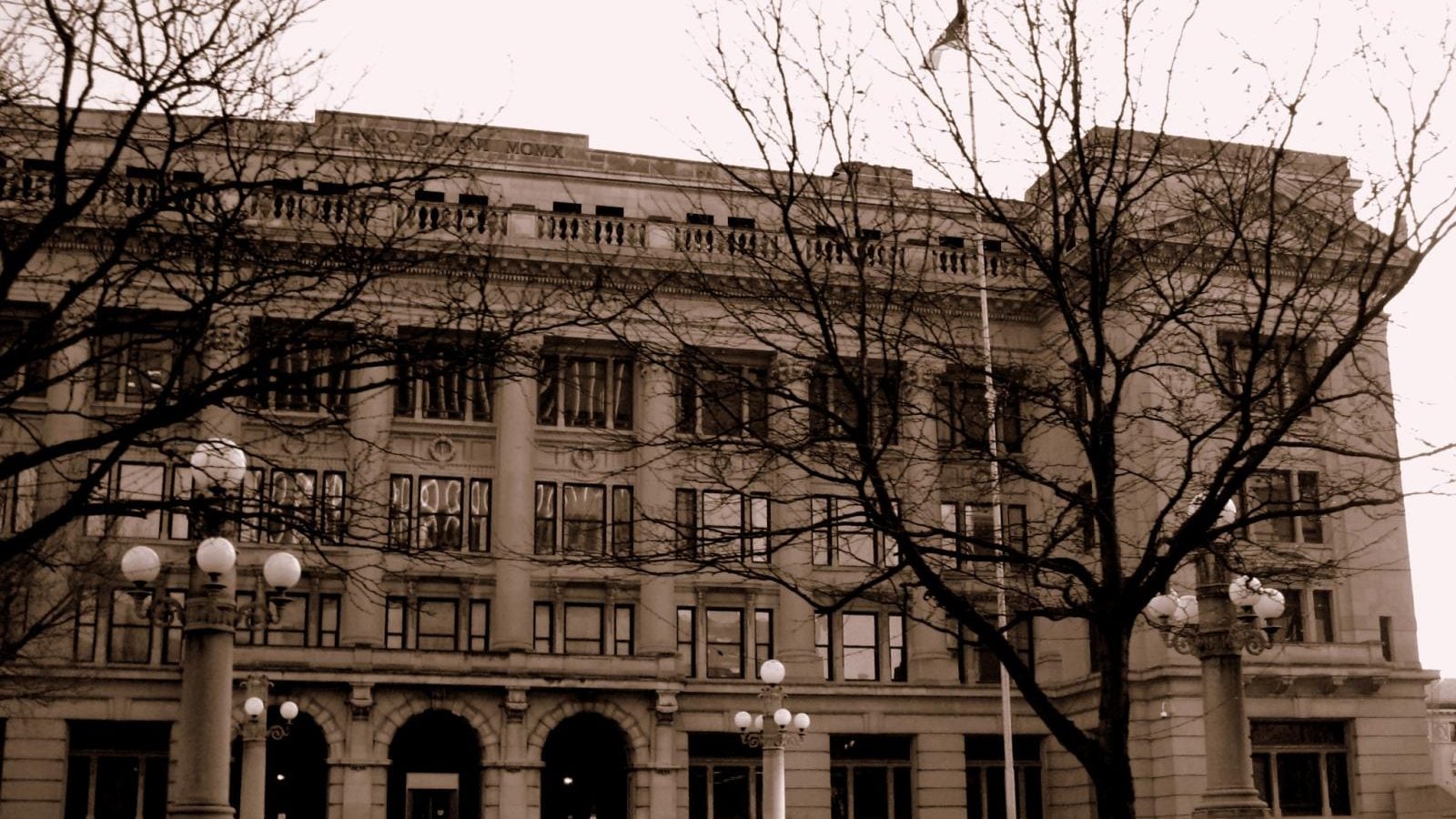
    Douglas County Courthouse in Omaha, Nebraska
    The Douglas County Courthouse at 1700 Farnam Street in Omaha (file photo, 2009). Photo by shannonpatrick17 / Wikimedia Commons, licensed CC BY 2.0. Source: Wikimedia Commons

    If the unofficial results hold, seven Douglas County offices will get new officeholders on Thursday, Jan. 7, 2027. They include the County Attorney and the sheriff. Before anyone takes over, Nebraska law sets out a series of steps: an official canvass, deadlines for recounts and election contests, certificates of election, and sworn oaths.

    The Douglas County Election Commission is scheduled to count early voting ballots that needed more research on Wednesday, Nov. 11, and accepted provisional ballots on Monday, Nov. 16. It says it will canvass the election and make the results official on Thursday, Nov. 19. All numbers in this story are unofficial and come from the commission’s latest release, labeled “Unofficial Results 11/06/2026 – 12:15 pm.”

    The seven offices

    Oversight Justice compared the commission’s Nov. 6 results with its “Current Elected Officials” page, checked Nov. 11. In seven county races, the person leading or running unopposed is not the officeholder the commission lists today.

    Office Current officeholder (DCEC list) Unofficial leader, Nov. 6 release
    County Attorney Donald Kleine Makayla Danner (DEM), 114,555 to Kleine’s 101,387
    Sheriff Aaron Hanson Mark Martinez (DEM), 117,124 to Hanson’s 96,958
    Assessor/Register of Deeds Michael Goodwillie Dakotah Smith (DEM), unopposed on the ballot, 155,999 votes
    Clerk of the District Court Crystal Rhoades Justin T. Wayne (DEM), unopposed on the ballot, 155,819 votes
    Treasurer Timothy Cavanaugh Tony Vargas (DEM), unopposed on the ballot, 153,549 votes
    County Commissioner, District 2 James Cavanaugh Whitney Hansen (DEM), unopposed on the ballot, 22,620 votes
    County Commissioner, District 6 Mary Ann Borgeson Tim Donahue (REP), 20,871 to John McCann’s (DEM) 16,733

    Two county offices on the ballot, County Engineer (Todd Pfitzer) and County Commissioner District 4 (P.J. Morgan), list the same person as both the current officeholder and the only candidate on the ballot.

    Step 1: The official canvass, Nov. 19

    Under Neb. Rev. Stat. § 32-1028, the election commissioner appoints a county canvassing board, with members from the two parties that drew the most votes for governor or president in the county at the last general election. The election commissioner also sits on the board. Under § 32-1031, the board checks the returns from every precinct, corrects any “obvious error,” and may reopen and recount ballots in a race that appears to be in error.

    Step 2: Recount deadlines

    Nebraska’s automatic recount rule, § 32-1119, applies when more than 500 votes are cast and a losing candidate’s margin is “one percent or less of the votes received by the candidate” with the most votes. On the Nov. 6 numbers, Danner leads by 13,168 votes, more than 11 times her 1% threshold of about 1,146 votes. Martinez leads by 20,166 votes, more than 17 times his threshold of about 1,171. In District 6, Donahue leads by 4,138 votes, about 20 times his threshold of about 209.

    A losing candidate outside that margin can still ask for a recount at their own expense under § 32-1121. The written request must be filed “not later than the third day after” the county canvassing board concludes, and the cost is $100 per precinct voting in the contest. If the recount makes the candidate the winner, the money is refunded.

    For scale: in the notice the commission posted after election night, it listed 553 early voting ballots needing further research and 3,936 provisional ballots still to be processed, along with resolution ballot pages that it said would be counted as they are prepared. The 553 and 3,936 together, 4,489 ballots, are fewer than either the County Attorney or sheriff margin. Not every provisional ballot is accepted and counted.

    Step 3: Election contests

    An election can also be challenged in court. Under § 32-1101, grounds include “misconduct, fraud, or corruption” by election officials “sufficient to change the result,” and the winner not being eligible for the office. For county offices, § 32-1109 gives the district courts jurisdiction and requires notice of a contest to be given “within twenty days after the votes have been officially canvassed.” If the canvass ends Nov. 19, that is Dec. 9. Under § 32-1111, a person holding a certificate of election may take office while a contest is pending.

    Oversight Justice has seen no public notice of a recount request or election contest in any of these races.

    Step 4: Certificates of election, by Dec. 14

    Under § 32-1033, the election commissioner must “prepare, sign, and deliver” a certificate of election to each person the canvassing board declares the winner of a county office “on or before the sixth Monday after the election.” For this election, that is Monday, Dec. 14.

    Step 5: Oaths and bonds, by Dec. 28

    Every county officer must take the oath in § 11-101 before starting the job, swearing to “support the Constitution of the United States and the Constitution of the State of Nebraska.” Under § 11-105, officers elected at a general election file their official bond, with the oath endorsed on it, after they receive their certificate and “not later than ten days before” the start of the term. For this election, that is Monday, Dec. 28. In counties that provide a bond for county officers, the officers do not have to meet that bond deadline, but they must still file their oaths before their terms begin.

    State law sets minimum bond amounts for some offices. Under § 11-119, a sheriff in a county of more than 20,000 people must have a $10,000 bond, and a county attorney’s bond is set by the county board at no less than $1,000.

    Filing early does not let a new officeholder act early. Section 11-105 says filing the bond and oath “does not authorize a person to take any official action prior to the beginning of his or her term of office.”

    Step 6: Jan. 7, 2027

    Article XVII, section 5 of the Nebraska Constitution says that, unless the constitution or a law provides otherwise, “the terms of all elected officers shall begin on the first Thursday after the first Tuesday in January next succeeding their election.” The first Tuesday of January 2027 is Jan. 5, so terms begin Thursday, Jan. 7.

    Until then, the current officeholders stay in office. State law sets four-year terms for the County Attorney (§ 32-522), sheriff (§ 32-520) and treasurer (§ 32-521), each lasting “four years or until his or her successor is elected and qualified.”

    What the law requires of the two biggest jobs

    A county attorney must be “admitted to the practice of law in this state” (§ 23-1201.02) and must live in the county (§ 23-1201.01). The office’s main duty under § 23-1201 is to file and prosecute criminal cases when it has “sufficient evidence to warrant the belief that a person is guilty and can be convicted.”

    A sheriff in a county like Douglas must live in the county (§ 23-1701). Under § 23-1701.01, sheriff candidates must hold a law enforcement officer certificate, and a new sheriff must complete the Sheriff’s Certification Course within eight months of taking office unless already certified or excused under the law’s listed exceptions.

    Records you can ask for

    Certificates of election, filed oaths and official bonds, and the canvass record are government records. Under Nebraska’s public records law, § 84-712, custodians must respond to a written request within four business days. Our guide explains how to file a request. For the latest results, see our Nov. 6 update and our explainer on what still counts before the canvass.

    Sources

    Disclosure: Oversight Justice is owned by David Mitchell, who founded the site and also owns Gamers Hub LLC, which operates as Go Gamers. Mitchell sued Douglas County, the City of Omaha, Douglas County Attorney Don Kleine and others in federal court (Mitchell v. County of Douglas, No. 8:23-cv-00332, D. Neb.). The court dismissed the suit on April 12, 2024, on several grounds, including immunity and failure to state a claim; the 8th U.S. Circuit Court of Appeals affirmed on Feb. 5, 2025.

  • Omaha’s $155 million bond covers more than the police-fire headquarters; council takes up $12.4 million land deal at 75th and Cass

    Omaha’s $155 million bond covers more than the police-fire headquarters; council takes up $12.4 million land deal at 75th and Cass

    By Oversight Justice Staff | Nov. 10, 2026

    Disclosure: Oversight Justice is owned by David Mitchell, who founded the site and also owns Gamers Hub LLC, which operates as Go Gamers. Mitchell sued Douglas County, the City of Omaha, Douglas County Attorney Don Kleine and others in federal court (Mitchell v. County of Douglas, No. 8:23-cv-00332, D. Neb.). The court dismissed the suit on April 12, 2024, on several grounds, including immunity and failure to state a claim; the 8th U.S. Circuit Court of Appeals affirmed on Feb. 5, 2025.

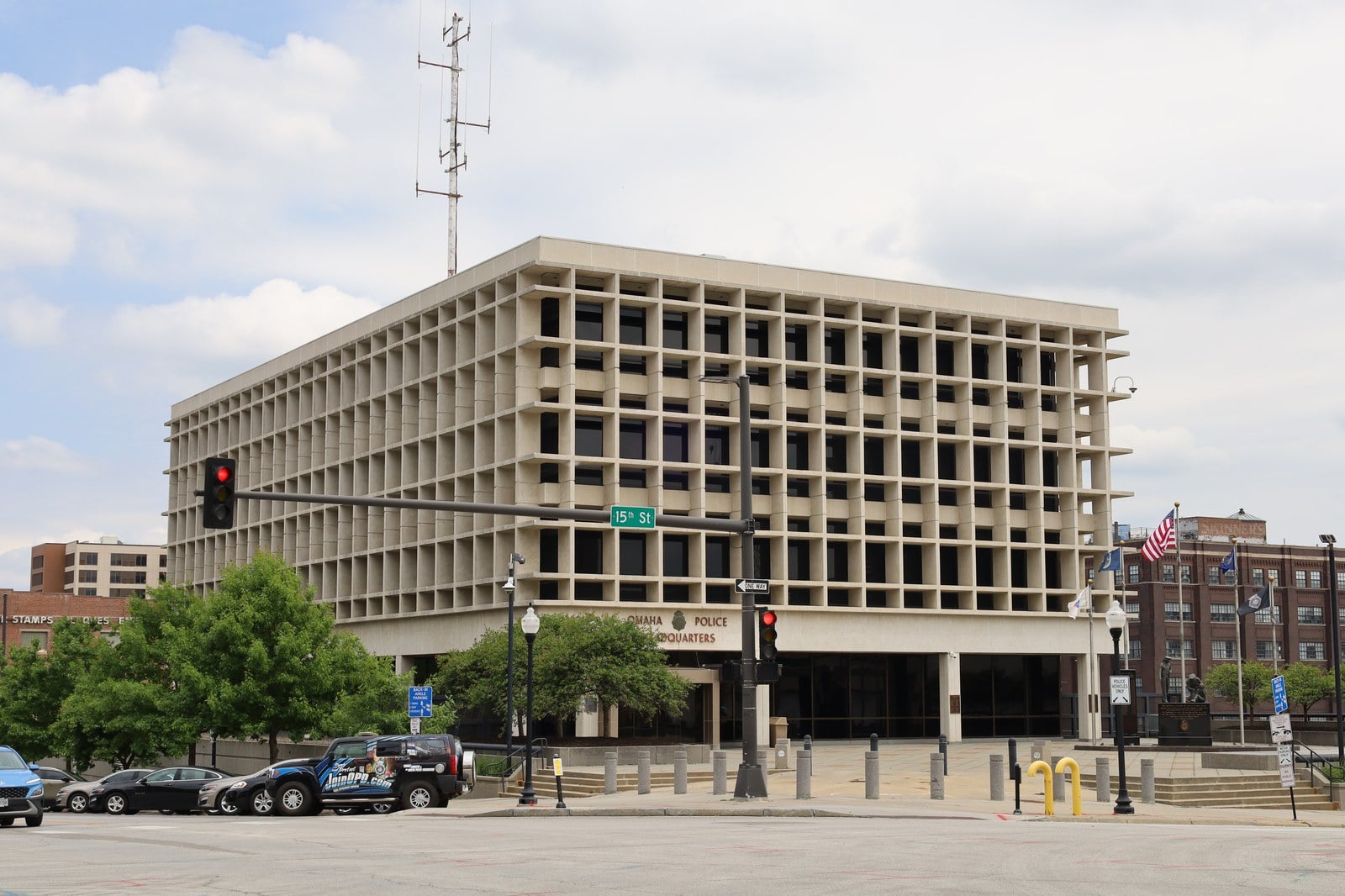
    Omaha Police Headquarters in Omaha, Nebraska
    Omaha Police Headquarters in Omaha, Nebraska, in 2025 (file photo). Photo by Antony-22 / Wikimedia Commons, licensed CC BY-SA 4.0. Source: Wikimedia Commons

    Omaha voters approved a $155 million bond question that city officials tied to a new joint police and fire headquarters. The legal authority voters approved is broader than that one building. It covers a list of city facilities, and the City Council can issue the bonds over time through Dec. 31, 2034, without another public vote.

    A $12.4 million land deal at 75th and Cass streets is on the City Council agenda for Tuesday, Nov. 10. Ordinance 44886 would approve a $12,428,532 real estate purchase and sale agreement between the city and Crossroads Block A, LLC.

    What voters approved

    The question appeared on the Douglas County sample ballot as “Special City Of Omaha Election $155,000,000 Public Facilities Bonds.” It asked whether the city should be authorized to issue general obligation bonds to pay for “acquiring, constructing, improving, equipping and rehabilitating police buildings and facilities, fire stations, branch libraries, park maintenance facilities, auditorium support facilities, arena and convention center facilities, public works storage facilities and city wide building renovations and replacements and other public facilities of the City of Omaha.”

    The ballot put the approximate cost to taxpayers at $155 million “plus interest.” It also said approval “will not incur any increases in the debt services tax levy rate of the City of Omaha over the levy increase approved in 2020.”

    The ordinance behind the question, Ordinance 44779, adds details that were not printed in full on the ballot. It lets the council issue the bonds “from time to time, but no later than December 31, 2034 without further vote of the electorate.” It allows the money to cover “necessary plans and specifications” and “acquiring such land and easements as may be required.” It excludes “the cost of City construction equipment and payment of salaries to City employees.”

    The headquarters is not named in the ballot question or the ordinance title. The Building a Better Omaha committee, which campaigned for the bond, says on its website that the legal authorization “is broader than the Police and Fire headquarters alone” and that city officials have identified the headquarters “as the principal project.”

    How it got on the ballot

    According to City Council journals, Ordinance 44779 had its first reading July 28, 2026, and a public hearing Aug. 4. One person spoke as an opponent at that hearing, and the journal lists a communication in support. The council approved the ordinance Aug. 18 on a 6-0 vote, with Councilmember Aimee Melton absent.

    The vote count so far

    The Douglas County Election Commission’s latest unofficial results, labeled “Unofficial Results 11/06/2026 – 12:15 pm,” show 112,413 yes votes and 50,620 no votes on the $155 million question. That is about 69% yes. The results are unofficial until the county canvass on Thursday, Nov. 19. The commission says early voting ballots that needed more research will be counted Wednesday, Nov. 11, and accepted provisional ballots on Monday, Nov. 16. Our Nov. 6 results story has the full comparison.

    The headquarters plan

    In a Nov. 4 news release, Mayor John W. Ewing Jr.’s office described the project as a four-story police-fire headquarters for “300+ administrative personnel” at 74th Avenue and Cass Street, in the Crossroads area. The release said the current Omaha Police Department headquarters at 15th and Howard streets has spray-on asbestos on its structural steel that requires air quality checks twice a year.

    The Building a Better Omaha committee says the headquarters is currently estimated at about $181 million. It says city officials have said previously authorized bonding capacity is expected to cover the difference above the new $155 million. Oversight Justice has not seen a city cost estimate document confirming that figure.

    The land deal on Tuesday’s agenda

    Item 53 on the Nov. 10 council agenda is Ordinance 44886. The agenda describes it as an ordinance “to approve a Real Estate Purchase and Sale Agreement between the City of Omaha and Crossroads Block A, LLC, for the transfer and sale of real property located at 75th and Cass Streets.” It says the agreement sets a price of $12,428,532.

    The agenda item does not say how the land will be used. WOWT reported that the item is for the new police and fire building. The mayor’s Nov. 4 release places the headquarters at 74th Avenue and Cass Street.

    Tuesday is only the first reading. Under the schedule printed on the agenda, the second reading and public hearing are set for Nov. 24, and the third reading is set for Dec. 8. Members of the public can speak at the Nov. 24 hearing.

    The agenda says the agreement is attached. When Oversight Justice checked the City Clerk’s Nov. 10 agenda page on Tuesday morning, only the agenda itself was posted there.

    Records the public can ask for

    Nebraska’s public records law, Neb. Rev. Stat. § 84-712, gives residents and others the right to examine and get copies of public records. Custodians must respond to a written request no more than four business days after they receive it. These are records residents may want to see as the project moves forward:

    • The purchase and sale agreement for Ordinance 44886, including the legal description of the land and any conditions of the sale.
    • Cost estimates for the headquarters, including the basis for the roughly $181 million figure and how much is expected from the new bonds versus earlier borrowing authority.
    • Design and architect contracts, once the council considers them.
    • Bond issuance documents, when the council authorizes each sale of bonds under Ordinance 44779.

    One limit may apply. Under Neb. Rev. Stat. § 84-712.05(7), the records custodian may withhold “appraisals or appraisal information and negotiation records concerning the purchase or sale, by a public body, of any interest in real or personal property, prior to completion of the purchase or sale.” That means some land-deal records may not be released until the sale is complete.

    Our guide explains how to file a Nebraska public records request.

    Sources

    Disclosure: Oversight Justice is owned by David Mitchell, who founded the site and also owns Gamers Hub LLC, which operates as Go Gamers. Mitchell sued Douglas County, the City of Omaha, Douglas County Attorney Don Kleine and others in federal court (Mitchell v. County of Douglas, No. 8:23-cv-00332, D. Neb.). The court dismissed the suit on April 12, 2024, on several grounds, including immunity and failure to state a claim; the 8th U.S. Circuit Court of Appeals affirmed on Feb. 5, 2025.